
Should I play fetch with my dog?
Fetch is probably the most common game people play with dogs. Go to any park in the evening or over the weekend and you’re likely to see at least one person throwing a tennis ball for their dog to excitedly chase and bring back. Fetch is a game lots of dogs (especially gundogs) love and it seems like a really easy way to tire out your dog.

And while playing fetch is great fun for you and your dog, it does come with risks for your dog’s health and behaviour. Which is why you’ll sometimes hear trainers, behaviourists and vets warn against playing fetch. But those risks don’t mean you have to stop playing your dog’s favourite game - you just need to understand how to play it safely.
The problem with playing fetch
Most of the problems that come from playing fetch happen when dogs play repeatedly for long periods. A game of fetch usually involves running at full speed from being still, tight turns and sudden stops - all which can put a lot of pressure on your dog’s joints. And for physically healthy dogs that’s not likely to cause problems when it happens a few times every week. But if you’re playing for half an hour every day (or if your dog has joint issues) that kind of constant strain can cause injuries and sometimes arthritis. A lot of dogs will continue to play through pain because they’re having a good time. So unfortunately just because a dog is happy to play for a long period doesn’t mean they’re not suffering.
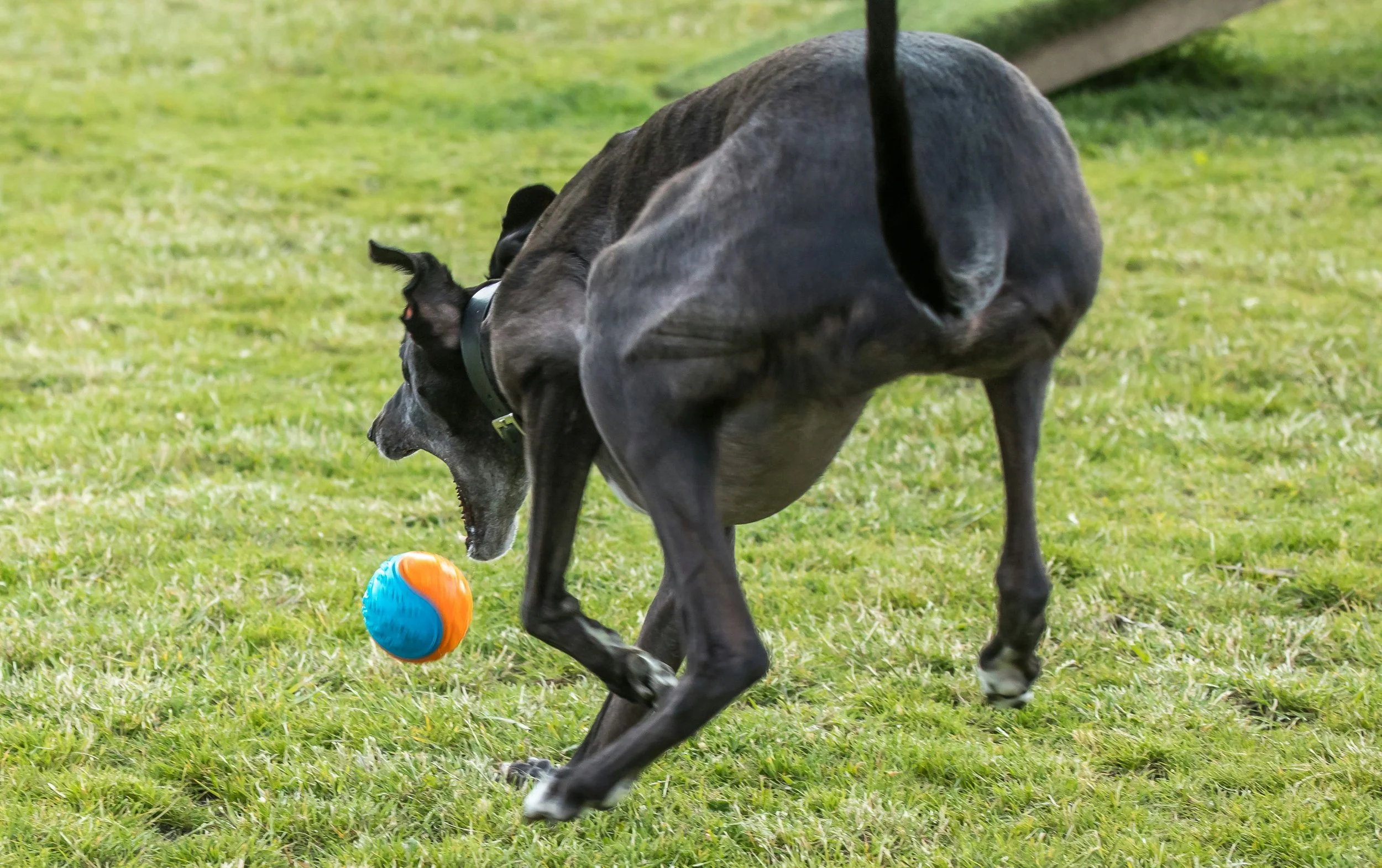
Long sessions of fetch can also have a negative affect on your dog’s behaviour. It’s really important to give dogs plenty of exercise and mental stimulation for them to be happy and to rest and sleep at home. But playing fetch for long periods can make dogs really hyper. Hyper dogs often struggle to ignore other people and dogs and come home from walks and bounce off the walls. A lot of people then interpret these behaviours as their dogs needing more exercise and end up playing fetch for longer next walk. Creating a vicious cycle where their dog is just getting more and more hyper.
How to play fetch safely
This doesn’t mean you shouldn’t play fetch if your dog loves it (unless your vet’s told you to avoid it). Playing is a great way to have fun and improve your relationship with your dog. And fetch can be great exercise and mental stimulation, as long as you play properly. Keep games of fetch short (around 5 minutes at most) to stop your dog getting hyper and reduce the impact on their joints. After you’ve played, help your dog calm themselves down by giving them something to chew or scattering treats on the ground for them to sniff and eat. Fetch can be a brilliant reward for recall but that only needs to be 1 or 2 throws a few times a walk. And try to mix in some other games to reward your dog’s recall too.
If you’ve got a puppy or your dog has joint issues there are ways to adapt fetch to make it safer. If you roll a ball rather than throw it your dog will be running less fast and stopping less suddenly. You can also teach a more formal retrieve where your dog waits while you either place the ball or throw it. Then they get the fun of finding the ball and bringing it back without as many sudden starts, stops and turns. And they’ll stay calmer when they play. If your dog gets good, you can even hide the ball for your dog to sniff out and find which is amazing mental stimulation and leave your dog way more exhausted than a long game of fetch.
Choosing the right toys to play fetch
Most people play fetch with a ball because they’re easy to throw. But because they fly at a speed and often bounce, chasing them can have the most impact on your dog’s joints. Ball chuckers have gotten very popular over the last few years, partly because they make picking up and throwing wet, muddy balls easier. And they throw the balls further and faster - which a lot of dogs love. But that’s exactly the reason they should be avoided. They just increase all the risks that come with playing fetch. If you can’t throw a ball without one, try to limit the speed and distance the ball flies. And limit games to 2 or 3 throws.
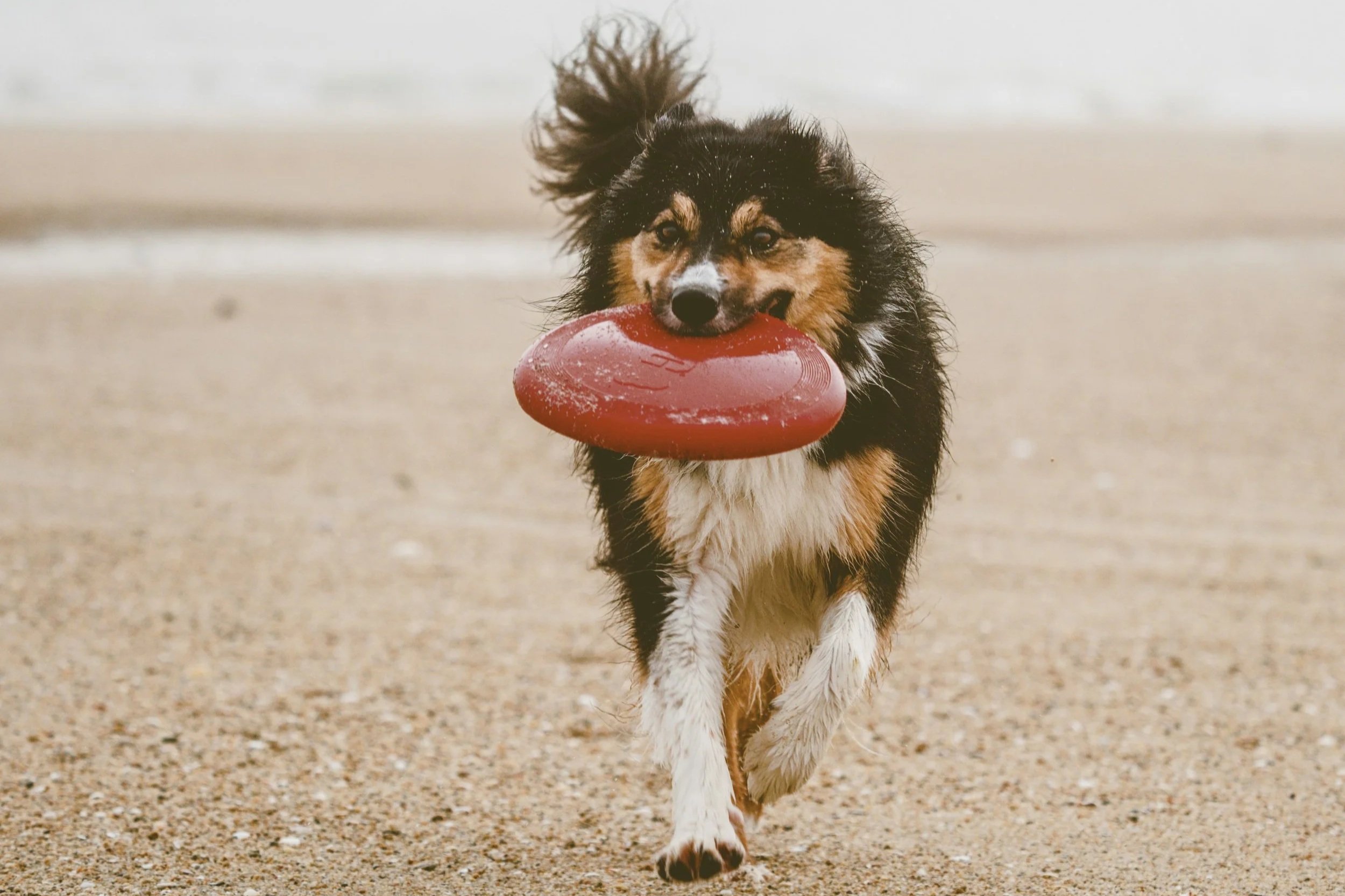
Balls aren’t the only option for playing fetch. I love playing with a frisbee. They fly a lot slower than a ball so your dog will be running and turning slower too. You can buy frisbees for dogs which are designed to be comfortable for your dog to carry back to you. You can also throw a tug toy which will usually go less far. And when your dog gets back to you, you can play a quick game of tug. Which is definitely a bonus. One thing you should never play fetch with is a stick. If your dog tries to catch a stick mid air it could get impaled in their throat and potentially block their airway.
Written by Juniper Indigo, dog trainer in Tiverton and Exeter